Premium Thermal Design: Incorporating the Hearth Pad Stone for Aesthetic ROI
October 20, 2026
No Comments
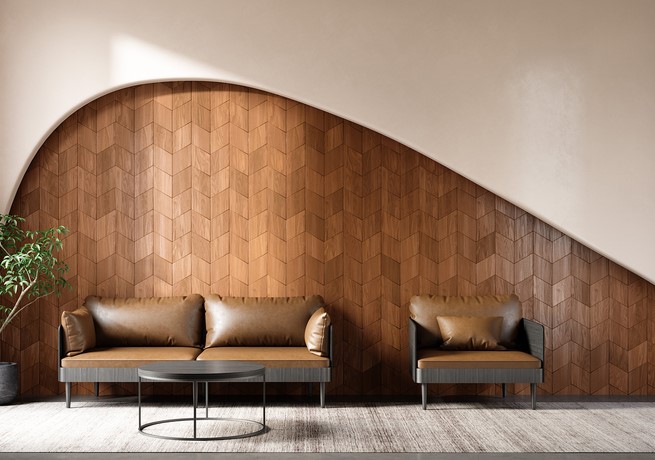
Source:https://thermory.com
Last winter, I walked into a custom build in Denver where the homeowner had just installed a $6,000 Italian cast-iron wood stove. The appliance was a masterpiece of Scandinavian engineering, yet it sat awkwardly on a flimsy, pre-fabricated board that sagged under its weight. The contrast was painful, and worse, heat transfer had already scorched the pine subfloor underneath.
Over my 10+ years in structural remodeling and thermal design, I have seen this exact mistake dozens of times. Homeowners invest heavily in heating units but treat the foundation as an afterthought.
Integrating a natural hearth pad stone is not merely a safety precaution mandated by building codes; it is one of the highest-yielding architectural upgrades you can make to a living space.
Beyond Floor Protection: Why the Hearth Pad Stone is Your Living Room’s Visual Anchor
Think of a hearth pad stone as the tailored suit jacket for your fireplace or stove. You can buy the finest silk tie in the world, but without the jacket to frame it, the ensemble falls flat.
In interior architecture, the hearth acts as the physical and visual anchor of the room. Without a substantial stone base, floating stoves look temporary, and built-in fireplaces lack grounding.
Beyond aesthetics, a properly chosen hearth pad stone delivers what I call “Aesthetic ROI.” When prospective buyers walk into a home, their eyes immediately track to the heat source. A custom slate, soapstone, or granite hearth signals craftsmanship, permanence, and luxury, instantly raising the perceived market value of the home.
+-----------------------------------------------------------------------+
|                         Aesthetic ROI Impact                          |
|                                                                       |
|  [ Standard Tile / Pad ]  --->  Functional, generic, lower appeal     |
|  [ Hearth Pad Stone ]     --->  Architectural anchor, luxury feel,    |
|                                 higher property valuation             |
+-----------------------------------------------------------------------+
Understanding the Thermal Science: R-Values, Heat Sinks, and Material Selection
To choose the right stone, you must understand how heat moves through dense materials. Fireplace heat protection breaks down into two distinct rating standards:
-
Type 1 (Ember Protection): Prevents falling sparks and radiant embers from contacting flammable flooring.
-
Type 2 (Thermal Protection): Requires a specific R-value (thermal resistance) to stop continuous heat from passing through the stone and igniting subfloor timbers.
To put thermal conductivity into perspective, consider a hearth pad stone as a heat battery. Just like a power bank stores electrical energy and releases it slowly to your phone, a dense stone absorbs intense radiant heat and slowly radiates it back into the room long after the fire dies down.
Popular Hearth Pad Stone Materials Compared
-
Soapstone: The undisputed king of thermal performance. It possesses high density and incredible heat retention, absorbing extreme temperatures without cracking.
-
Slate: Offers a rugged, textured surface with rich earth tones. Excellent for rustic and modern industrial designs, though it requires precise cutting to avoid flaking along natural cleavage lines.
-
Granite: Extremely durable, scratch-resistant, and low-porosity. Dark, polished granite brings a sleek, contemporary edge to modern hearths.
-
Fieldstone or Travertine: Highly decorative with rich organic textures, but requires thicker mortar beds and meticulous sealing due to higher porosity.
| Stone Type | Thermal Retention | Maintenance Needs | Aesthetic Profile |
| Soapstone | Exceptional (High Heat Sink) | Low (Periodic Wax/Oil) | Matte, dark gray to green |
| Slate | Moderate to High | Low (Sealer Required) | Layered, earthy, charcoal |
| Granite | Moderate | Very Low | Polished or honed luxury |
| Travertine | Low to Moderate | High (Porous Surface) | Warm, rustic, Mediterranean |
Pro Tips for Installing a Hearth Pad Stone Like a Master Craftsman
Installing natural stone under a high-temperature appliance requires strict structural prep. Here are my non-negotiable rules from the field:
-
Calculate Subfloor Deflection First: Natural stone hates movement. Ensure your subfloor meets an $L/360$ deflection rating (meaning the floor deflects less than $1/360$th of the span under load) before laying stone, or your mortar joints will crack.
-
Use an Uncoupling Membrane: Always lay a tile membrane (like Schluter-DITRA) between the plywood subfloor and your mortar bed. This prevents seasonal floor expansion from snapping your hearth pad stone.
-
Opt for High-Temperature Thinset: Standard unmodified thinset can break down over years of continuous thermal expansion and contraction. Use a polymer-modified, heat-resistant mortar rated for masonry fireplaces.
Pro Tip: When laying large-format soapstone or granite slabs, leave a subtle 1/8-inch perimeter gap around adjacent hardwood flooring. Fill this gap with a color-matched flexible silicone sealant rather than hard grout to accommodate natural wood expansion.
Hidden Warnings: 3 Common Pitfalls That Ruin Hearth Stone Performance
Even experienced contractors occasionally stumble when handling natural stone hearths. Avoid these three expensive mistakes:
-
Ignoring NFPA 211 Combustible Clearances: The National Fire Protection Association sets strict distance requirements from the stove center to the edge of the hearth pad stone (typically 16 to 18 inches in front and 8 inches on the sides). Cutting these dimensions short to save floor space voids insurance policies.
-
Trapping Moisture with Non-Porous Sealers: Applying cheap topical clear coats to porous natural stones traps moisture inside. When the fire heats the stone, trapped water turns to steam, causing surface spalling and flaking.
-
Overlooking Appliance Load Capacities: Heavy cast-iron stoves can weigh upward of 600 pounds concentrated on four small iron feet. Ensure your hearth pad stone is fully back-buttered with mortar to eliminate air voids underneath; otherwise, a stove leg can crack the stone slab instantly.
  [ Heavy Stove Weight ]
          ||
          \/
+-------------------+  <-- Hearth Pad Stone
|  Mortar Void (X)  |  <-- Air pocket creates point-failure risk!
+-------------------+
|    Subfloor       |
Crafting Your Custom Hearth: Design Ideas That Elevate Property Value
If you want your hearth pad stone installation to look like an architectural highlight rather than an afterthought, consider your profile height:
-
Flush-Mounted Slabs: Sinking the hearth pad into the subfloor so it sits perfectly flush with surrounding hardwood creates a seamless, minimalist aesthetic favored in modern Scandinavian interiors.
-
Raised Masonry Pedestals: Elevating the hearth stone 6 to 12 inches off the ground brings the fire closer to eye level, creates built-in bench seating, and offers beneath-hearth log storage pockets.
Pair dark slate or honed black granite with light oak flooring for striking visual contrast. Alternatively, pair warm soapstone with exposed brick walls to create a cozy, timeless cottage atmosphere.
Building or renovating a hearth is your opportunity to combine safety engineering with lasting interior design. By choosing a high-grade hearth pad stone, respecting thermal clearances, and executing a rigid subfloor prep, you create a fire-safe centerpiece that warms your home and pays dividends in property value for decades.
Are you planning a fireplace renovation or upgrading an existing wood stove setup? What natural stone materials are you considering for your hearth project? Share your thoughts or questions in the comments below!