Mechanical Friction Mitigation: Enhancing Performance with Graphite Lock Lube
October 10, 2026
No Comments
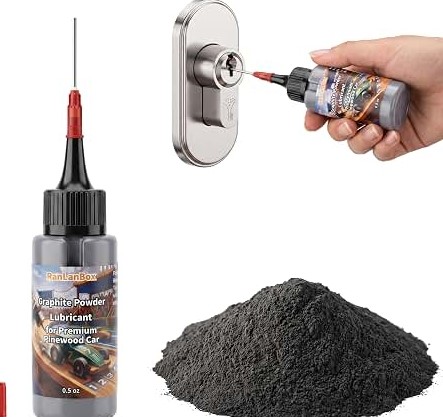
Source:https://m.media-amazon.com
It is 11:30 PM on a freezing winter evening. You stand shivering on your front porch, shoving your house key into the front door deadbolt, only for the cylinder to bind halfway. You twist harder, feeling the soft brass key flex under pressure, dangerously close to snapping off inside the lock core.
Over my ten-plus years as a home improvement specialist repairing residential hardware and retrofitting security systems, I have extracted dozens of broken keys from jammed lock cylinders. In almost every case, the homeowner made the exact same fatal mistake right before the lock failed: they sprayed wet WD-40 or multi-purpose household oil straight into the keyway.
Applying wet lubricants inside small mechanical lock assemblies is a guaranteed recipe for long-term failure. To maintain smooth mechanical operation without attracting airborne grit, upgrading your maintenance kit with dry Graphite Lock Lube is the professional standard for preserving internal lock components and extending hardware lifespan.
The Tribology of Lock Mechanisms: Why Wet Oils Ruin Keyways
Think of a pin-tumbler lock cylinder as a tiny, high-precision Swiss watch movement. Inside that small brass housing, microscopic driver pins, key pins, and delicate stainless steel springs operate under extremely tight dimensional tolerances—often within thousandths of an inch.
When you spray liquid petroleum oil or grease into a lock cylinder, it initially feels silky smooth. However, wet oils act as sticky magnets for airborne dust, ambient sawdust, and metallic wear debris. Over time, this mixture turns into an abrasive polishing paste that gums up internal pin chambers.
[ Wet Oil + Dust / Debris ] ➔ Sticky Sludge ➔ Jammed Pin Chambers ➔ Sheared Keys
                                    VS
[ Dry Graphite Powder ] ➔ Micro-Layering ➔ Low Friction ➔ Smooth Actuation
In contrast, applying a micro-fine dry powder like Graphite Lock Lube coats internal wear surfaces without leaving a sticky liquid film.
-
Dry Solid Lubrication: Graphite particles slide past each other on a microscopic carbon lattice, reducing sliding friction without relying on liquid viscosity.
-
Hydrophobic Resistance: Dry graphite does not attract water or hold ambient moisture, preventing ice locks and chemical corrosion during extreme winter freezes.
-
Zero Gumming Risk: Unlike wet greases that oxidize and harden over time, dry graphite remains stable across extreme temperature ranges from sub-zero winters to blazing summers.
Technical Anatomy of Graphite Lock Lube: Particle Geometry and Carrier Systems
Not all dry lubricants perform identically inside a mechanical keyway. Understanding the material chemistry of dry carbon lubricants helps you choose the right product for residential, commercial, or automotive hardware.
Flake Geometry and Micro-Mesh Sizes
Commercial dry graphite powders are milled into ultra-fine flakes measured in microns. For high-precision pin-tumbler locks, look for mesh sizes around 200 to 320 mesh (roughly 40 to 75 microns).
These microscopic carbon flakes lie flat across brass and steel pin surfaces like tiny playing cards scattered on a table. When internal components slide against each other, these carbon sheets shear effortlessly, dramatically lowering the coefficient of friction without building up physical mass inside narrow pin channels.
Aerosol Carriers vs. Squeeze Tube Dispensers
-
Direct Dry Powder Squeeze Tubes: Features a fine puff nozzle that injects dry carbon powder directly into the keyway using air pressure. Ideal for indoor locks, padlocks, and dry environments.
-
Isopropanol-Evaporating Aerosols: Blends micro-fine graphite powder with a fast-evaporating alcohol solvent carrier. The liquid spray flushes out existing debris before evaporating completely within seconds, leaving behind a thin, uniform coating of dry graphite powder on every internal component.
Step-by-Step Maintenance Protocol: Restoring a Sticking Lock Cylinder
Restoring a stubborn deadbolt or entry handle does not require disassembling the entire lock set. Following a simple, systematic maintenance routine brings stiff lock hardware back to factory performance.
-
1. Flush Out Old Residue: Spray a rapid-evaporating electrical contact cleaner or lock cleaner directly into the keyway to dissolve old wet oil, grease, and trapped dirt. Allow the liquid to drain completely onto a shop towel until the solvent runs clear.
-
2. Dry the Internal Keyway: Insert and remove a clean, dry brass key several times to pull out remaining liquid solvent, wiping the key blade clean between insertions.
-
3. Inject the Graphite Lock Lube: Insert the nozzle tip of your Graphite Lock Lube dispenser directly into the keyway opening, depressing the spring-loaded dust cover. Deliver two short puffs of powder or a brief 1-second burst if using an alcohol-carrier aerosol.
-
4. Work the Internal Pins: Insert your key into the cylinder and actuate the lock back and forth 10 to 15 times. Turn the thumbturn and key assembly smoothly to distribute the dry carbon flakes evenly across all driver pins, key pins, and spring coils.
-
5. Wipe Excess Carbon: Wipe down the key blade with a dry microfiber cloth to remove loose graphite dust before placing the key back in your pocket.
Pro Tips and Hidden Pitfalls from a Decade in the Field
Having serviced thousands of residential locksets and heavy-duty deadbolts, I have gathered a few vital rules of thumb to prevent common hardware blunders.
Pro Tip: The Key Blade Coating TrickIf you are nervous about injecting too much dry powder directly into a small vehicle lock or decorative interior keyway, coat the key blade instead. Puff a small amount of dry Graphite Lock Lube onto a clean key blade, insert it into the keyway, and turn it several times. This deposits a light, controlled layer of graphite directly onto the pin tips without over-saturating the cylinder housing.
Hidden Warning: The Chemical Incompatibility TrapNever inject dry graphite powder into a lock cylinder that still contains wet oil or grease. Mixing dry graphite powder with wet oil creates a thick, black carbon sludge that acts like wet cement, seizing lock pins in their lower chambers within days. Always flush wet oils out thoroughly with a fast-evaporating solvent before applying dry graphite.
Extend the Life of Your Door Hardware Today
Maintaining residential door locks is one of the easiest, most cost-effective preventative home maintenance tasks you can perform. By skipping wet oil sprays and relying on high-performance dry Graphite Lock Lube, you keep your lock mechanisms operating smoothly, prevent costly key shearing, and ensure reliable security year-round.
Have you ever dealt with a stubborn door lock or snapped a key inside a lock cylinder before? What type of lubricant are you currently using on your exterior deadbolts and padlocks? Share your experiences or ask your hardware maintenance questions in the comments below—let’s keep your home hardware turning smoothly!