Modern Sanitary Materiality: Elevating Design with the Concrete Bathroom Sink
October 25, 2026
No Comments
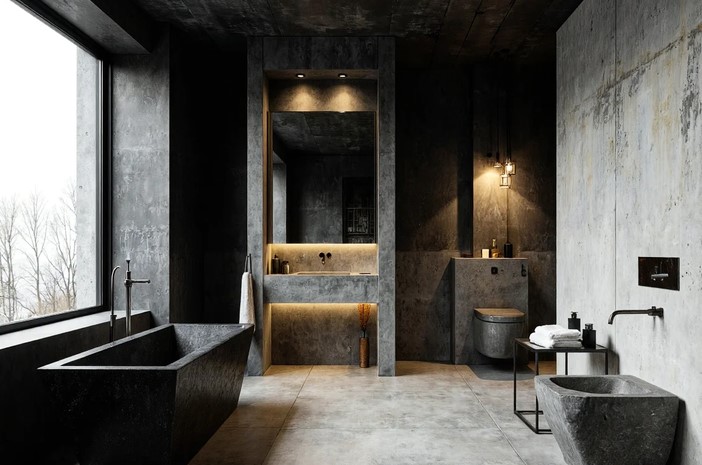
Source:https://framerusercontent.com
Three years ago, I walked into a newly renovated master bath in Austin, Texas. The homeowner had spent over $30,000 on Italian marble tiles and brushed brass fixtures, yet the entire space felt strangely cold and clinical. At the center sat a standard white vitreous china basin—glossy, generic, and totally disconnected from the tactile warmth the room desperately needed.
When we swapped that factory-molded porcelain bowl for a custom charcoal concrete bathroom sink with an integrated ramp drain, the space transformed overnight. It instantly shifted from looking like a high-end hotel washroom to feeling like an authentic, architecturally curated sanctuary.
In my 10+ years in structural remodeling and interior masonry, I have watched bathroom design pivot away from sterile ceramic surfaces toward raw, tactile materiality. Choosing a concrete bathroom sink isn’t merely picking a plumbing fixture; it is an intentional design choice that bridges industrial structural strength with refined modern living.
Beyond Porcelain: Why the Concrete Bathroom Sink is Redefining Modern Bathrooms
For decades, vitreous china and ceramic held a near-monopoly on residential sanitaryware. They are cheap to mass-produce, easy to sanitize, and uniformly glossy. However, uniform white surfaces get uninspiring quickly when you are aiming to design a room with genuine personality.
Think of standard porcelain as a synthetic vinyl rain jacket—it is functional, completely waterproof, and visually identical to thousands of others off the shelf. A concrete bathroom sink, by contrast, is like a bespoke full-grain leather jacket. It possesses micro-variations in tone, organic weight, and a subtle depth that grounds surrounding tile and wood elements.
Natural cast concrete offers design flexibility that kiln-fired ceramic simply cannot match:
-
Custom Geometric Profiles: From continuous trough basins with sweeping ramp drains to ultra-thin vessel sinks with crisp, knife-edge rims.
-
Integral Pigmentation: Iron oxide pigments are mixed directly into the batch, allowing for moody charcoals, earthy terracottas, or soft sage greens that run entirely through the material.
-
Tactile Surface Finishes: You can specify a silky smooth honed surface, a sandblasted texture, or exposed granite aggregate for an organic terrazzo look.
The Science of Sanitary Concrete: GFRC, Porosity, and Polymer Chemistry
One of the most common concerns clients bring to me is: “Won’t a concrete sink crack, absorb water, and weigh down my bathroom vanity?”
If we were casting a basin out of standard, store-bought sidewalk concrete, those concerns would be valid. Modern architectural fixtures, however, rely on Glass Fiber Reinforced Concrete (GFRC).
Instead of heavy gravel aggregate and steel rebar, GFRC combines high-strength Portland cement with alkali-resistant glass fibers and polymer additives. The glass fibers act like microscopic structural webbing inside the slab, giving the concrete bathroom sink extraordinary tensile and flexural strength while allowing wall thicknesses to remain surprisingly thin (often under 0.75 inches).
+-------------------------------------------------------------------------+
|                    Concrete Material Comparison                         |
|                                                                         |
|  [ Traditional Bag-Mix ] ---> Heavy, brittle, thick casting, high porosity|
|  [ Modern GFRC Blend ]   ---> Lightweight, glass-fiber reinforced,     |
|                               high flexural strength, slender walls     |
+-------------------------------------------------------------------------+
The Science of Sealing: Topical vs. Reactive Penetrating Sealers
Concrete is naturally porous, containing microscopic capillary networks. To make a concrete bathroom sink completely impermeable to water, toothpaste, and skincare products, specialized sealing matrixes are applied:
-
Topical Polyurethane Sealers: Form a clear protective film on top of the concrete surface. They provide exceptional stain defense against acidic liquids but can scratch over time under heavy mechanical wear.
-
Reactive Penetrating Sealers (Silane/Siloxane Hybrids): Penetrate deep into the concrete’s pores and react chemically with free lime to form an insoluble crystalline barrier. They preserve the raw, tactile feel of bare stone without creating a plastic-coated look.
Essential Structural Prep: Mounting Your Concrete Bathroom Sink
A custom concrete trough sink can weigh anywhere from 60 to 180 pounds depending on dimensions and apron depth. Installing one without proper substrate planning can lead to catastrophic framing failure.
Cantilevered & Wall-Hung Mounts
If you are specifying a floating concrete bathroom sink, standard drywall anchors are completely out of the question. You must back the wall cavity with 3/4-inch exterior-grade plywood blocking or heavy-duty steel mounting brackets bolted directly into structural stud framing before sheetrock is installed.
Cabinet Vanity Top Integration
For cabinet-mounted setups, verify that your vanity carcass is constructed from solid hardwood or high-density marine plywood rather than low-cost particleboard. Ensure floor joists show minimal deflection before setting a heavy slab basin on top.
| Installation Style | Weight Range | Framing Support Required | Ideal Aesthetic |
| Floating Wall-Hung | 60 – 120 lbs | Steel Brackets + Solid Blocking | Minimalist, Japandi, Industrial |
| Vanity Top Slab | 80 – 180 lbs | Reinforced Solid Wood Cabinet | Warm Modern, Rustic Luxury |
| Vessel Mount | 30 – 60 lbs | Standard Vanity Decking | Contemporary, Transitional |
Pro Tips for Long-Term Maintenance and Patina Management
Having installed dozens of these units, I always coach my clients to view a concrete bathroom sink as a living surface. Over time, it will age, soften, and develop a subtle patina—much like natural soapstone or unlacquered brass.
Pro Tip: Avoid using acidic cleaners like distilled white vinegar, bleach, or harsh abrasive powders (such as Comet) on your concrete sink. These dissolve calcium carbonate in the cement matrix and strip protective sealers. Instead, stick strictly to pH-neutral soaps and microfiber cloths.
Apply a quick coating of carnuba-based car wax or specialized concrete countertop wax every 3 to 6 months. This simple 5-minute task creates a sacrificial hydrophobic barrier that causes water to bead right off the surface.
Hidden Warnings: 3 Expensive Mistakes to Avoid
To protect your investment and avoid frantic emergency service calls, keep these three crucial warnings in mind:
-
Warning 1: Flat-Bottom Standing Water Risks. Custom concrete sinks with flat bottoms look striking, but poor slope design leads to stagnant water pools that degrade sealers faster. Ensure your fabricator incorporates a minimum 1/8-inch slope per foot toward the drain assembly.
-
Warning 2: Confusing Hairline Micro-Fissures with Structural Failure. Concrete naturally expands and contracts. Microscopic craze lines (hairline shrinkage lines) on the surface are normal non-structural characteristics of hand-cast material. Deep structural cracks, however, stem from improper cured subfloors or missing fiber reinforcement.
-
Warning 3: Using Standard Plumber’s Putty During Drain Installation. Standard plumber’s putty contains mineral oils that seep into concrete and leave dark oil halos around the drain flange. Always use neutral-cure silicone or non-staining plumbing sealant when securing drain hardware.
  [ Improper Drain Install ]
            ||
            \/
+-------------------------+  <-- Concrete Rim
| Standard Plumber's Putty|  <-- Oils leach into raw pores = permanent ring!
+-------------------------+
|     Drain Flange        |
Bringing Modern Tactility Home
A concrete bathroom sink bridges the gap between raw, honest building materials and elevated modern living. When backed by modern GFRC material chemistry and proper penetrating sealers, it stands as a lasting investment that grows more charming with age.
Are you planning a bathroom renovation or considering switching to custom concrete fixtures? What custom finish or color tone are you eyeing for your project? Leave a comment below—I’d love to help you plan your next home upgrade!