Asset Safety Engineering: Mitigating Risk with Anti Tip Straps
September 15, 2026
No Comments
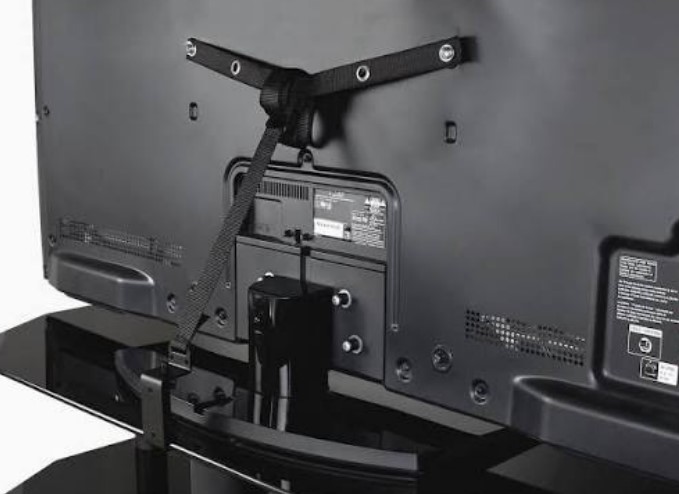
Source:https://www.mount-it.com
Imagine a busy Saturday morning: your toddler reaches for a favorite toy sitting on top of a tall dresser, pulling out the bottom drawers to use them as makeshift stairs. In less than two seconds, gravity takes over, and hundreds of pounds of solid wood begin to pitch forward.
Over my ten-plus years in home improvement and childproofing retrofits, I’ve responded to dozens of frantic calls from parents and homeowners after a near-miss tip-over event. Emergency room statistics consistently show that a furniture or flat-screen TV tip-over sends someone to the hospital every few minutes, yet most people treat furniture stability as an afterthought.
We take great care selecting high-end furniture, leveling cabinets, and mounting expensive displays, but we ignore the fundamental physics of top-heavy momentum. Securing your home using heavy-duty anti tip straps isn’t just about childproofing—it is an essential structural safety upgrade that anchors your living space against accidental pulls, pet activity, and seismic shifts.
The Physics of Instability: Why Heavy Furniture Tips Over
When clients ask me why a seemingly stable, 200-pound bookshelf needs anchoring, I like to demonstrate the concept of dynamic center of gravity. A empty dresser rests its weight low and flat against the floor.
However, as soon as you fill those upper drawers with clothes, mount a television on top, or extend multiple drawers simultaneously, the center of mass shifts dramatically upward and forward.
  STANDBY STATE                      TIP-OVER RISK STATE
+-----------------+                 +-----------------+
|   [ Heavy ]     |                 |   [ Heavy ]     |  <-- Center of Gravity Shifts UP
|   [ Content ]   |                 +-----------------+
|                 |                /  [ Open Drawer ] /  <-- Lever Arm Extends FORWARD
+-----------------+               +------------------+
     (Stable)                           (Pulls Downward)
Think of a tall bookcase or media console like a crane holding a heavy load. Extending a open drawer creates a lever arm. A tiny downward force applied at the tip of that extended lever generates enormous rotational torque at the base, easily destabilizing even solid oak furniture.
Installing high-tensile anti tip straps creates a tension anchor system that counteracts this forward torque, keeping the center of gravity safely contained within the footprint of the piece.
Material Breakdown: Selecting the Right Anchoring System
Not all tether systems offer equal structural integrity. Over the years, I’ve tested everything from cheap plastic zip-ties to industrial steel cables, and the hardware material matters tremendously under load.
1. Woven Polypropylene / Nylon Webbing Straps
-
Characteristics: High tensile strength, flexible, and fully adjustable.
-
Best For: Standard dressers, changing tables, and mid-sized bookcases.
-
Advantage: Easy to unbuckle or loosen when you need to slide furniture out for cleaning or wire routing.
2. Steel Aircraft Cable Tethers
-
Characteristics: Galvanized braided steel wire secured with metal mounting brackets.
-
Best For: Ultra-heavy armoires, tall display cabinets, and seismic hazard zones.
-
Advantage: Zero stretch capacity under sudden load impacts; immune to dry rot over long periods.
3. Rigid Metal L-Brackets
-
Characteristics: Fixed steel angles screwed directly into wood frames and wall studs.
-
Best For: Permanent, stationary installations where furniture never needs to move.
-
Advantage: Provides maximum rigid resistance against forward motion.
Comparing Anti Tip Straps Hardware Specifications
Choosing the right tether system depends on the weight class of your furniture and the mounting substrate of your walls.
| System Type | Weight Rating (Per Pair) | Material | Ideal Application |
| Heavy-Duty Steel Cable | 400+ lbs (180+ kg) | Braided Aircraft Steel / Zinc Alloy | Heavy wardrobes, solid wood dressers |
| Adjustable Nylon Webbing | 200–300 lbs (90–135 kg) | High-Density Polypropylene | Mid-size bookshelves, filing cabinets |
| TV Safety Straps | 150–200 lbs (68–90 kg) | Woven Nylon / VESA Bolts | Flat-screen TVs (to desk or wall) |
Step-by-Step Installation Guide: Mounting Like a Pro
Installing anti tip straps seems simple, but driving a screw into hollow drywall without hitting structural support provides a false sense of security. Follow these steps for an anchor system that won’t pull out when under stress.
Step 1: Locate and Mark Wall Studs
Never rely solely on plastic drywall anchors or toggle bolts for heavy furniture tethers. Use an electronic stud finder to locate the center of a wood or metal stud behind your piece of furniture.
Mark the stud position lightly with a pencil at a height slightly below the top edge of the furniture item, so the hardware remains hidden from sight.
                  [ WALL SURFACE ]
                         |
  +----------------------+----------------------+
  |              [ Wood Wall Stud ]             |
  |                      |                      |
  |        ( Mount Wall Bracket Here )          |
  |                      |                      |
  +----------------------+----------------------+
                         |
               [ ANTI TIP STRAP ]
                         |
  +----------------------+----------------------+
  |    ( Mount Furniture Bracket to Solid Wood) |
  |                      |                      |
  |            [ FURNITURE FRAME ]              |
Step 2: Attach Hardware to Solid Furniture Framing
Anchor the cabinet bracket directly into the solid wood top plate or vertical side frame of the furniture piece. Avoid attaching brackets to thin plywood backing boards or flimsy particleboard panels, as these materials easily tear away under tension.
Pre-drill pilot holes using an appropriate drill bit to prevent splitting the furniture wood frame.
Step 3: Tension and Secure the Connection
Connect the tether line between the wall bracket and the furniture bracket. Pull the adjustment buckle taut, leaving roughly 0,5 to 1 inch of slack to avoid putting constant strain on your drywall, while ensuring the piece cannot tip more than an inch or two forward before the strap catches.
Expert Advice: Pro Tips and Hidden Pitfalls
💡 Pro Tip: The VESA Mounting Trick for Flat Screens
If you have a flat-screen TV sitting on a media console rather than mounted to the wall, use the pre-threaded VESA mounting holes on the back of the television. Attach high-tensile anti tip straps directly from the TV’s VESA screw holes to the back frame of the heavy wooden console table beneath it.
⚠️ Hidden Pitfall: Baseboard Offset Gaps
Decorative baseboards often create a 0,5-to-1-inch gap between the back of your furniture and the drywall. If you pull your anti tip straps too tight across this gap, you will pull the top of the furniture backward, causing the front legs to lift off the floor. Always use spacer blocks or leave slight strap clearance to keep the furniture resting level on its feet.
Frequently Asked Questions
Do I need anti tip straps if I don’t have children at home?
Yes. Major natural events like seismic tremors, accidental impacts during home moves, large pets jumping on top of cabinets, or simply overextending heavy top drawers can trigger a sudden tip-over in any household.
How many anti tip straps should I install per piece of furniture?
Always install at least two straps per item, positioned near the outer top corners of the piece. Using a single central strap creates a pivot axis, allowing the furniture to rotate sideways and slide off balance if loaded unevenly.
Secure Your Living Environment Today
Preventing household accidents isn’t about compromising on home design—it’s about applying basic structural safety engineering to protect the people and assets inside your home. Installing reliable anti tip straps on tall, heavy furniture takes less than 20 minutes per piece, offering long-term safety and peace of mind.
Have you anchored the heavy furniture and displays in your home yet, or are you planning a safety upgrade soon? Leave a comment below with your setup questions, and let’s discuss the best anchoring techniques for your living space!