Exterior Asset Protection: Ensuring Durability with the Firewood Rack Cover
November 15, 2026
No Comments
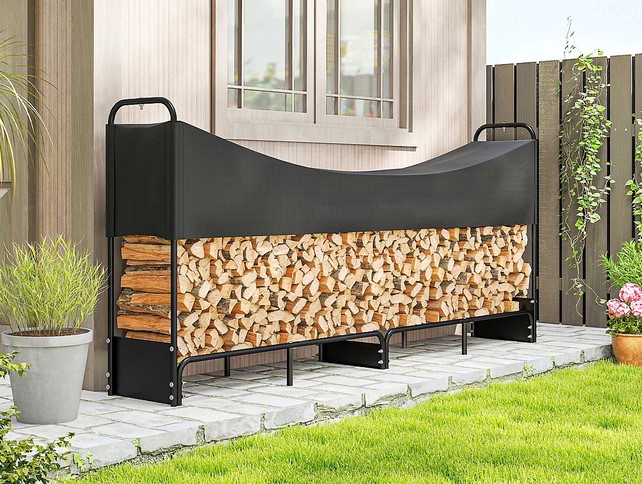
Source:https://media.diy.com
I still remember a late November weekend about eight years ago. A homeowner called me out to inspect a sagging backyard deck, but as I walked around the side of the house, something else caught my eye. Piled against his cedar siding was a massive stack of oak—or what used to be oak.
After months of exposed rainy cycles and snowy thaw, the wood had turned into a wet, moldy haven for termites and carpenter ants. The homeowner had spent over $600 on premium seasoned firewood, only to watch half of it rot away before winter even reached its peak.
If you burn wood to heat your home or enjoy cozy backyard fire pit evenings, your woodpile isn’t just fuel—it is an investment. Leaving it unprotected is like buying a classic car and parking it outdoors without a coat of wax or a garage.
In this guide, we are going to dive deep into how a high-quality firewood rack cover acts as your first line of defense, preserving your fuel supply, protecting your property, and saving you hundreds of dollars in wasted timber.
The Hidden Science of Wood Seasoning and Moisture Control
To understand why a firewood rack cover is vital, we first need to talk about wood chemistry. Freshly cut wood contains up to 50% internal moisture content. To burn cleanly and efficiently, that moisture level needs to drop below 20%.
Think of freshly split logs like tiny, densely packed bundles of microscopic drinking straws. When wood sits out in the open, ambient sun and breeze pull that trapped moisture out. However, if rain or snow constantly saturates the stack from above, those “straws” soak the water back up instantly through capillary action.
       [ Rain & Snow Fall ]
               │
               ▼
   ┌───────────────────────┐  ◄── Heavy-Duty Firewood Rack Cover
   │  Protected Top Layer  │      (Deflects overhead moisture)
   └───────────────────────┘
   ┌───────────────────────┐
   │ Airflow & Ventilation │  ◄── Open Sides / Mesh Vents
   └───────────────────────┘      (Allows trapped moisture to escape)
               ▲
               │
       [ Ground Moisture ]    ◄── Off-Ground Elevated Metal Rack
When firewood stays wet, three main issues arise:
-
Thermal Inefficiency: Instead of generating heat, your fire uses its energy simply to boil off excess water, creating low temperatures and massive amounts of smoke.
-
Creosote Buildup: Wet wood produces heavy, sticky soot inside your chimney flue, creating a severe chimney fire hazard.
-
Fungal Rot: Fungi thrive in damp timber, consuming the structural lignin of the wood and leaving you with soft, useless punkwood.
A dedicated firewood rack cover breaks this cycle by creating an impermeable barrier against overhead precipitation while keeping the wood stack organized.
Key Features to Look For in a Firewood Rack Cover
Not all outdoor covers are built equal. Over my decade in home improvement, I have seen cheap plastic tarps shred into microplastic confetti after just one season of harsh UV exposure. When shopping for long-lasting exterior asset protection, pay attention to these technical components:
1. Heavy-Duty Fabric Denier and Coatings
Look for covers made from high-density woven polyester, ideally 600D (Denier) to 900D Oxford fabric. The higher the denier count, the thicker and more tear-resistant the material.
Ensure the interior features a PVC or TPU waterproof backing. While a basic water-repellent coating (DWR) sheds light rain, a laminated TPU lining ensures heavy downpours cannot seep through the stitched seams.
2. Built-In Ventilation Vents
This is where most DIY setups fail. Completely sealing a wood stack in a plastic sheet traps ground moisture rising from underneath, turning your wood rack into a miniature greenhouse.
A professional firewood rack cover features downward-facing mesh side vents. These allow continuous cross-ventilation, letting moisture vapor escape while preventing rain from blowing inside.
3. Quick-Access Front Flaps
You shouldn’t have to unbuckle and remove the entire cover just to grab three logs for an evening fire. Top-tier covers utilize heavy-duty hook-and-loop fasteners (Velcro) or rust-proof dual zippers along the front panel. This lets you open, lift, and secure a single section cleanly.
4. Windproof Anchoring Systems
High winds like to treat loose covers like sails. Look for integrated click-close straps that wrap directly around the legs of your metal rack, along with an elastic hem cord featuring a toggle lock for a custom, snug fit.
Top Materials Compared: Firewood Protection Options
| Protection Type | Waterproof Rating | UV Resistance | Lifespan | Breathability | Best For |
| Standard Plastic Tarp | High | Low (Degrades in 6 mos) | 1 Season | Very Low | Emergency temporary cover |
| Canvas Tarp | Moderate | Moderate | 2–3 Years | High | Dry climates, classic look |
| 600D Oxford Polyester Cover | High | High (UV-treated) | 4–6+ Years | High (with vents) | All-weather, long-term rack protection |
| Heavy-Duty Vinyl (PVC) | Extreme | Extreme | 5–8+ Years | Low (Needs open sides) | Harsh winter freeze & heavy snow |
Pro Tips for Maximum Firewood Longevity
Even the best cover will struggle if the overall storage setup is flawed. Here are my go-to field tips to optimize your setup:
💡 Pro Tip: The “Top-Only” Elevation Strategy
Never lay your cover all the way down to the wet mud or grass. Elevate your firewood rack at least 4 to 6 inches off the ground using concrete pavers or a heavy-duty steel rack frame. Position your cover so it extends down the top 80% of the stack, keeping the very bottom open to airflow. This creates a chimney effect: cool air enters at the base, pulls moisture upward, and vents out the top-side panels.
⚠️ Hidden Hazard: Avoid Stacking Directly Against Siding
It is tempting to place your rack right up against your house under the roof eaves. Don’t do it. Stacking raw wood directly against your home’s exterior siding creates a bridge for wood-boring insects, trapped moisture, and siding discoloration. Always keep a minimum gap of 12 to 18 inches between your cover/rack setup and your home’s exterior wall to maintain air movement.
Step-by-Step: Installing and Securing Your Cover
To make sure your firewood rack cover survives high winds and heavy snowfall, follow this quick installation sequence:
-
Inspect and Level the Base: Ensure your firewood rack rests on flat, solid ground (such as gravel, concrete pads, or treated timber bases).
-
Stack Logs Uniformly: Keep the top layer of your wood stack as level as possible so water doesn’t pool in deep low spots on top of the fabric cover.
-
Drape and Center: Unfold the cover over the top of the rack, making sure front access panels face outward toward your walking path.
-
Secure Leg Straps: Fasten the click-close bottom webbing straps around all four corners of the rack frame.
-
Adjust the Hem Drawcord: Pull the elastic hem cinch cords tight around the bottom perimeter to prevent wind gusts from whipping under the edge.
Preserving Your Fuel and Outdoor Aesthetic
Investing in a premium firewood rack cover is not just about keeping wood dry—it is about protecting your financial investment, maintaining your home’s curb appeal, and avoiding unnecessary headaches when temperatures drop. A neat, well-ventilated, weather-protected wood stack ensures that whenever you strike a match, you get clean heat, minimal smoke, and instant comfort.
What’s Your Firewood Setup?
How do you keep your outdoor wood supply dry during the wet season? Have you ever lost a stack of lumber to rot or pests? Drop your questions, tips, or favorite firewood storage setups in the comments below—I’d love to join the discussion and help you optimize your backyard space!