Ergonomic Culinary Safety: Enhancing Productivity with the Chef Floor Mat
November 25, 2026
No Comments
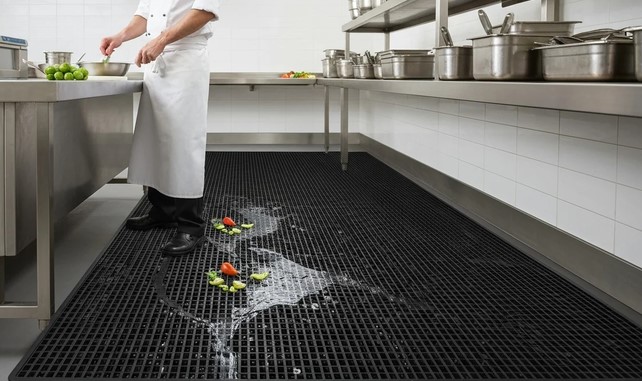
Source:https://mats4u.co.uk
I spent a weekend remodeling a residential kitchen for a client who was an avid home baker, and I noticed something alarming. By hour four of her bread-baking marathon, she was constantly shifting her weight from one foot to the other, leaning against the quartz countertop, and rubbing her lower back.
She thought her chronic post-baking fatigue was just part of getting older. But when I looked down, the culprit was obvious: she was standing barefoot on unyielding, hard-baked porcelain tile for six hours straight. I placed a professional-grade anti-fatigue mat in front of her prep station, and three days later she sent me a text: “I just baked for five hours straight and my lower back doesn’t burn at all. What kind of magic is this?”
It isn’t magic—it is biomechanics and ergonomic engineering. In home improvement and kitchen design, we often spend tens of thousands of dollars on custom cabinetry, high-end stone countertops, and commercial-grade ranges, yet completely ignore the surface under our feet.
In this deep-dive guide, we will explore how introducing a premium chef floor mat transforms your kitchen workspace from a fatigue trap into a high-efficiency, safe, and comfortable culinary environment.
The Ergonomics of Standing: Why Hard Floors Drain Your Energy
To understand why a chef floor mat is essential, we first need to look at what happens to the human body when standing on hard surfaces like hardwood, tile, or concrete.
Think of your body’s circulatory system like a water pump in a multi-story building. When you stand still on a hard surface, gravity pulls blood down into your lower legs and feet. To pump that blood back up to your heart, your calf muscles must contract and relax—a process known as the “skeletal muscle pump.”
      [ Hard Surface (Tile/Wood) ]             [ Ergonomic Chef Floor Mat ]
                 │                                        │
                 ▼                                        ▼
    ┌─────────────────────────┐              ┌─────────────────────────┐
    │  Static Muscle Tension  │              │  Micro-Instability      │
    └────────────┬────────────┘              └────────────┬────────────┘
                 │                                        │
                 ▼                                        ▼
    ┌─────────────────────────┐              ┌─────────────────────────┐
    │ Blood Pooling & Spinal  │              │ Continuous Calf Pump &  │
    │ Compression             │              │ Balanced Load Dist.     │
    └────────────┬────────────┘              └────────────┬────────────┘
                 │                                        │
                 ▼                                        ▼
    ┌─────────────────────────┐              ┌─────────────────────────┐
    │ Joint Pain & Exhaustion │              │ Reduced Fatigue & Pain  │
    └─────────────────────────┘              └─────────────────────────┘
Standing on an unforgiving surface forces your leg muscles into static contraction. They lock up, reducing blood flow, accelerating muscle fatigue, and causing spinal compression.
A high-density chef floor mat introduces subtle micro-instabilities. These microscopic shifts force your leg and calf muscles to contract naturally and continuously, actively pumping blood back up through your veins, dampening joint shock, and reducing physical exhaustion.
Key Features to Look For in a High-Performance Chef Floor Mat
Over my decade in home improvement and interior spatial planning, I have seen homeowners buy cheap foam bath rugs or low-grade kitchen pads that flatten out like pancakes within a month. When choosing a commercial-grade chef floor mat for your home, focus on these technical attributes:
1. High-Density Polyurethane Core vs. Memory Foam
Never settle for basic memory foam in the kitchen. Memory foam compresses completely under your body weight, bottoming out against the hard floor underneath and offering zero ergonomic support.
Look for mats constructed with 100% high-density polyurethane foam. Polyurethane provides quick-rebound resilience, offering comfortable cushioning without sacrificing structural support under heavy weight.
2. Beveled Edges for Slip and Trip Prevention
Tripping hazards are one of the most common causes of kitchen accidents. A quality chef floor mat features low-profile, curl-resistant beveled edges that transition smoothly to the floor. This design prevents toe-stubbing and allows kitchen carts or vacuum cleaners to roll over effortlessly.
3. Non-Porous, Stain-Resistant Surfaces
Kitchens are messy zones prone to hot oil splatters, spilled wine, and dropped ingredients. Ensure your chef floor mat has a non-porous, liquid-impermeable top layer. It should be easy to wipe clean with warm soap and water without absorbing odorous liquids or breeding bacteria.
4. High-Traction Non-Slip Base
A mat that slides across your tile floor is more dangerous than no mat at all. Look for a textured bottom backing—often featuring rubberized suction grooves—that grips sealed hardwood, vinyl, or ceramic tile securely, even when the floor beneath is damp.
Material Comparison: Selecting the Right Ergonomic Mat
| Feature / Material | Standard Memory Foam | PVC / Vinyl Mat | High-Density Polyurethane | Heavy Rubber Ring Mat |
| Ergonomic Support | Poor (Bottoms out) | Moderate | Superior | High |
| Durability | Low (1 Season) | Moderate (1–2 Years) | High (5+ Years) | Extreme (Commercial) |
| Liquid Resistance | Low (Absorbs spills) | High | High | High (Drains through) |
| Aesthetic Integration | Basic / Decorative | Patterned | Sleek / Modern | Industrial |
| Best Used For | Bathrooms / Light duty | Casual prep areas | Primary kitchen stations | Heavy outdoor / Wet areas |
Pro Tips for Placement and Maintenance
Even the best ergonomic equipment requires smart placement and proper maintenance to yield long-term benefits. Here are my go-to field recommendations:
💡 Pro Tip: Identify Your High-Dwell Zones
Don’t randomly scatter mats throughout the kitchen. Conduct a quick audit of where you spend more than 15 continuous minutes. The two prime locations for a chef floor mat are directly in front of the primary prep counter/sink area and along the cooking range footprint. Placing mats in these high-dwell zones delivers maximum shock absorption where your spine and knees need it most.
⚠️ Hidden Hazard: Mind the Floor Finishes
Be cautious when placing rubber-backed mats on freshly finished hardwood or soft linoleum. Certain low-grade rubber backing materials contain plasticizers that can react chemically with wood polyurethanes, causing yellowing or permanent floor discoloration. Always choose a chef floor mat explicitly certified as safe for fine hardwood and sealed flooring.
Step-by-Step: Installing and Caring for Your Ergonomic Mat
To get the longest lifespan and best performance out of your new mat setup, follow this quick checklist:
-
Clean the Floor First: Thoroughly sweep and mop the floor area before placing your mat. Dust or moisture trapped underneath can reduce grip and cause subtle sliding.
-
Unroll and Let Lay Flat: If your mat arrives rolled in a shipping box, lay it flat at room temperature for 24 hours to let the polyurethane memory relax into its natural shape.
-
Position with Clearance: Ensure the beveled edges don’t catch on low-clearing cabinet doors or appliance pull-out drawers when opened.
-
Routine Cleaning: Wipe down the surface weekly with a damp microfiber cloth and mild dish soap. Avoid harsh chemical solvents or bleach, which can break down polyurethane over time.
Investing in Your Comfort, Energy, and Culinary Passion
Upgrading your home isn’t just about paint colors, solid marble countertops, or smart appliances—it’s about how your space makes you feel while using it. A high-grade chef floor mat protects your joints, improves circulation, reduces post-cooking exhaustion, and makes spending time in the kitchen a genuine joy.
How Does Your Kitchen Stand Up?
Do you ever feel aching feet or lower back stiffness after cooking a holiday meal or prepping weekend dishes? Have you tried anti-fatigue mats in your home, garage, or workshop? Share your experiences, questions, or favorite kitchen upgrades in the comments below—I’d love to answer your questions and hear your thoughts!