Industrial Safety Compliance: Scaling Protection with Work Gloves Grip
November 20, 2026
No Comments
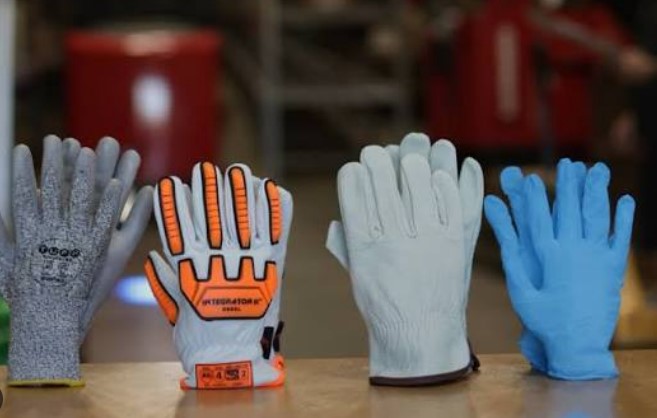
Source:https://encrypted-tbn0.gstatic.com
I spent the early years of my career supervising heavy structural renovations, and if there is one lesson engraved in my mind, it’s this: a single slip can alter a life in less than a second.
I still remember watching a veteran mason try to maneuver a 40-pound wet granite slab up a scaffold. His hands were clad in standard, smooth leather work gloves. Midway up, moisture on the stone broke the weak friction barrier. The slab didn’t just fall—it sheared past his grip, crushing three of his fingers against the framing. The worst part? He was technically wearing “safety gear.”
In the home improvement and light industrial sectors, hand injuries account for nearly 20% of all recordable workplace incidents, according to OSHA safety data. Most of those injuries don’t happen because workers refuse to wear gloves; they happen because they wear gear with inadequate work gloves grip for the specific job at hand.
In this deep-dive guide, we will explore how selecting and scaling the right work gloves grip transforms basic hand protection into an active tool for hazard prevention, job efficiency, and safety compliance.
The Ergonomics of Friction: How Grip Reduces Hand Fatigue
To understand why grip matters for safety compliance, we have to look at how the human hand interacts with tools and materials under stress.
Think of your hands like the tires on an all-terrain vehicle. If you drive on a muddy track with slick highway tires, your engine has to work twice as hard to maintain control, and you run a massive risk of sliding out.
When you use gloves without a specialized work gloves grip, your brain subconsciously forces your muscles to apply excessive clamping force just to hold an object steady. Over an eight-hour shift, this constant over-gripping causes:
-
Muscle Fatigue: Rapid exhaustion of the forearm flexor tendons.
-
Repetitive Strain Injuries (RSI): Elevated risk of Carpal Tunnel Syndrome and tendonitis.
-
Accidental Drops: Micro-slips that lead to dropped tools, damaged property, or severe impact injuries.
       [ Surface Contact & Coating ]
                     │
                     ▼
       ┌───────────────────────────┐
       │   Micro-Pores / Textures   │ ───► Displaces Liquids (Oil/Water)
       └───────────────────────────┘
                     │
                     ▼
       ┌───────────────────────────┐
       │ High Coefficient Friction │ ───► Maximum Tactile Control
       └───────────────────────────┘
                     │
                     ▼
       ┌───────────────────────────┐
       │ Reduced Hand Pinch Force  │ ───► Minimizes Muscle Strain & Drops
       └───────────────────────────┘
By choosing the proper work gloves grip texture and coating, you increase the surface coefficient of friction. This lets your hands secure heavy, slick, or sharp materials using up to 30% less physical exertion.
Coating Technologies: Matching the Coating to the Hazard
Over my decade in job site management, I’ve seen crew members grab whatever gloves were on sale at the local supply yard. But modern safety compliance requires matching the palm coating to your working environment:
1. Nitrile (Foam, Sandy, and Smooth)
-
Best For: Wet, oily, and heavy-chemical conditions.
-
How It Works: Sandy nitrile acts like micro-suction cups, channeling oil and liquid away from the contact surface to maintain a solid grip on slick engine parts or metal pipes.
-
Ideal Trades: Mechanics, HVAC technicians, plumbers, and metal fabricators.
2. Latex (Crinkle Finish)
-
Best For: Dry, abrasive materials and heavy construction handling.
-
How It Works: Crinkle latex provides extreme tear resistance and high elasticity. Its rough surface bites into dry timber, concrete blocks, and corrugated cardboard effortlessly.
-
Ideal Trades: Framers, masons, landscapers, and demolition crews.
3. Polyurethane (PU)
-
Best For: Precision assembly, electrical wiring, and dry tactile work.
-
How It Works: PU coatings are exceptionally thin and flexible, offering high dexterity without adding bulk. They provide a clean, non-sticky work gloves grip that prevents fingerprint oils from smudging delicate components.
-
Ideal Trades: Electricians, finish carpenters, and cabinet installers.
Grip Technology Comparison Chart
| Coating Type | Dry Grip Performance | Wet/Oily Grip | Abrasion Resistance | Dexterity & Feel | Best Application |
| Sandy Nitrile | Exceptional | Superior | High | Moderate | Oily machine parts, wet piping |
| Foam Nitrile | Excellent | Great | Moderate | High | Small parts handling, general DIY |
| Crinkle Latex | Superior | Fair | High | Low–Moderate | Concrete, lumber, heavy demo |
| Polyurethane (PU) | Great | Poor | Low–Moderate | Superior | Electrical wiring, fine woodworking |
| Leather Palm | Moderate | Poor | Superior | Low | Heavy welding, sharp metal handling |
Scaling Safety Compliance Across Your Worksite
Safety compliance is not just a regulatory checkbox—it’s an operational strategy. When scaling protection across a team or an individual DIY project, consider the ANSI/ISEA 105 standard. This index rates gloves not only for cut resistance (A1 to A9) but also for abrasion and puncture resistance.
                    ┌─────────────────────────┐
                    │  ANSI/ISEA 105 Rating   │
                    └────────────┬────────────┘
                                 │
         ┌───────────────────────┴───────────────────────┐
         ▼                                               ▼
┌──────────────────┐                            ┌──────────────────┐
│  Cut Protection  │                            │ Abrasion & Grip  │
│  (Levels A1–A9)  │                            │ (Levels 1 to 6)  │
└──────────────────┘                            └──────────────────┘
When high-level cut protection (such as an A4 or A6 Kevlar/HPPE liner) is combined with an engineered work gloves grip palm coating, workers gain double-layer security. They are protected against sharp metal edges and less likely to drop the material in the first place.
Pro Tips for Maximum Glove Life and Performance
Even the most advanced ergonomic gloves will fail prematurely if cared for incorrectly. Here are my top field-tested recommendations:
💡 Pro Tip: The Dual-Pair Rotation System
Never wear the same pair of coated work gloves two days in a row if you work in wet or oily environments. Moisture trapped inside the liner degrades the palm coating from the inside out and breeds odor-causing bacteria. Keep two pairs in rotation: while one dries naturally out of direct sunlight, use the second pair. This simple habit can double the service life of your gear.
⚠️ Hidden Hazard: The Machine Entanglement Risk
High-grip gloves can turn into a serious hazard around rotating power tools like drill presses, table saws, and bench grinders. The same tacky work gloves grip that keeps heavy lumber steady can catch on a spinning arbor and drag your hand directly into the blade. Always remove coated gloves when operating stationary rotating machinery.
Step-by-Step: Selecting Your Ideal Work Gloves Grip
Follow this simple evaluation sequence before buying your next pair of gloves:
-
Identify the Primary Medium: Determine whether you handle mostly dry materials (wood/stone), wet surfaces (water/mud), or oily parts (engines/hydraulics).
-
Assess the Required Dexterity: Decide if you need fine fingertip touch for screws and wires or thick palm cushion for heavy material handling.
-
Verify the ANSI Cut Rating: Check if your task involves sharp sheet metal, glass, or raw lumber edges that require elevated cut resistance.
-
Test the Fit: Ensure the glove fits snug across the palm without loose material bunching at the fingertips. Excess fabric at the tips reduces your control and ruins your grip mechanics.
Protecting Your Hands, Preserving Your Career
At the end of the day, your hands are your primary tools. High-performance safety gear shouldn’t feel like a restrictive burden that slows you down. By understanding the science of friction and investing in the correct work gloves grip, you protect your physical health, reduce fatigue, and achieve real compliance on every job site.
What’s in Your Toolbox?
What type of gloves do you currently rely on for your home projects or daily job sites? Have you ever noticed a difference in hand fatigue when switching grip coatings? Share your thoughts, questions, or favorite safety gear tips in the comments below—let’s start a conversation!