Horticultural Aesthetic Branding: Enhancing Curb Appeal with the Window Box Planter
September 20, 2026
No Comments
Source:https://www.shrubhub.com
Picture this: you drive through a quiet residential neighborhood, admiring fresh exterior paint, pristine siding, and manicured lawns. Yet, the front facade still feels somehow flat, monochromatic, or missing a soul.
Over my ten-plus years in home improvement and exterior architecture retrofits, I’ve seen homeowners dump tens of thousands of dollars into costly exterior renovations, completely missing the small architectural accents that bridge the gap between cold masonry and natural beauty.
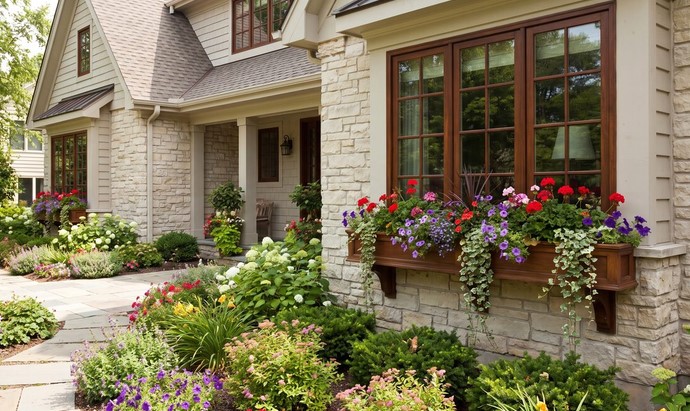
A home’s exterior is essentially its personal brand identity to the outside world. Adding a well-proportioned window box planter is the single most cost-effective architectural upgrade you can make to introduce living texture, dynamic seasonal color, and vertical depth to an otherwise two-dimensional exterior wall.
The Architectural Science of Curb Appeal: Why Window Boxes Work
When consulting on exterior curb appeal upgrades, I constantly explain to clients that human eyes naturally seek depth and organic contrast against flat surfaces. Rigid siding, brickwork, and glass trim create clean geometric lines, but they can quickly look clinical if left uninterrupted.
       [ FLAT EXTERIOR WALL ]
+----------------------------------+
|           [ WINDOW ]             |
|                                  |
|   +--------------------------+   |  <-- Vertical Depth / Color Layering
|   |    WINDOW BOX PLANTER    |   |      (Suspended Micro-Ecosystem)
|   +--------------------------+   |
+----------------------------------+
Installing a window box planter creates a physical bridge between your home’s hardscape and your landscape design. Think of it like adding a frame and matting to a fine art painting—it anchors the window opening, softens harsh wall edges, and brings the vibrant energy of a garden right up to eye level.
Material Selection Breakdown: Choosing the Right Hull
Not all planters hold up equally to severe weather, UV exposure, and continuous soil moisture. Choosing the right material for your window box planter dictates both its longevity and structural load demands.
1. Rot-Resistant Woods (Cedar & Redwood)
-
Characteristics: Natural oils resist decay, insects, and moisture warping.
-
Best For: Traditional aesthetic, historical renovations, and customizable paint finishes.
-
Advantage: Excellent thermal insulation for plant roots against midday heat spikes.
2. High-Density Cellular PVC / Vinyl
-
Characteristics: Synthetic material engineered to look exactly like painted trim wood.
-
Best For: Low-maintenance installations, high-moisture regions, and modern builds.
-
Advantage: Impervious to rot, fungal decay, and water absorption; will never peel or require repainting.
3. Powder-Coated Metal & Wrought Iron Systems
-
Characteristics: Heavy-duty metal frames holding removable coconut coir or plastic liners.
-
Best For: European cottage styles, heavy architectural detailing, and easy seasonal swaps.
-
Advantage: Superior structural rigidity with zero risk of wood rot.
Comparing Window Box Planter Construction Specs
Selecting the proper specifications ensures your planter lasts through years of seasonal cycles without sagging or damaging your exterior siding.
| Material | Expected Lifespan | Maintenance Level | Weight Load (Dry) | Thermal Insulation |
| Cellular PVC | 25+ Years | Minimal (Wipe clean) | Moderate | High |
| Western Red Cedar | 10–15 Years | Moderate (Seal every 2–3 yrs) | Light to Moderate | Very High |
| Powder-Coated Steel | 15+ Years | Low (Inspect touch-up paint) | Heavy | Low (Heats up fast) |
The “Thriller, Filler, Spiller” Design Formula
To achieve a professional, magazine-worthy horticultural display inside your window box planter, avoid planting items in a flat, single-tier line. Use the classic landscape design rule:
-
The Thriller (Center Anchor): Tall, upright focal plants placed in the center or rear of the box (e.g., dwarf ornamental grasses, upright salvias, or snapdragons) to provide height and structure.
-
The Filler (Mid-Ground Volume): Mounded, bushy blooming plants surrounding the thriller (e.g., petunias, geraniums, or coleus) that fill the middle space with dense color.
-
The Spiller (Front Cascade): Trailing foliage plants along the front lip (e.g., sweet potato vine, ivy, or trailing lobelia) that overflow down the side of the planter box, softening hard architectural lines.
                  [ WINDOW GLASS ]
---------------------------------------------------
|  [Thriller]         [Thriller]        [Thriller]|  <-- Height
|   (Filler)   (Filler)   (Filler)   (Filler)     |  <-- Volume
| ~~~~~~~~~~~~~~~~~~~~~~~~~~~~~~~~~~~~~~~~~~~~~~~ |
|   (Spiller)          (Spiller)        (Spiller) |  <-- Overflow
+-------------------------------------------------+
Step-by-Step Installation Guide: Securing Wall Anchors
A wet, fully planted 36-inch box can easily weigh over 80 to 100 pounds. Driving small wood screws into thin vinyl siding or brick veneer is a recipe for catastrophic failure. Follow these engineering steps to mount your window box planter safely.
Step 1: Calculate Total Saturated Weight
Before drilling, assume your soil will be completely saturated with water after a heavy downpour.
-
Estimate roughly 35 to 40 pounds per cubic foot of wet potting medium, plus the weight of the box hardware itself.
-
Ensure your mounting brackets carry a weight rating far exceeding your calculated wet load.
Step 2: Anchor Directly into Structural Framing
Never mount heavy brackets solely to exterior siding or hollow brick veneer.
-
Use a stud finder inside or measure off window framing lines to locate the structural 2×4 or 2×6 wall studs or header framing surrounding the window opening.
-
Drive heavy-duty 3/8-inch stainless steel lag screws directly through the exterior wall into the solid wood framing.
Step 3: Establish a Siding Protection Gap
When mounting a window box planter directly against wooden or vinyl siding, water trapped behind the box can breed rot or mold over time. Install 0,5-inch nylon spacers or metal washers behind the mounting brackets to create an air gap. This allows rainwater to drain freely down the siding without getting trapped behind the planter.
Expert Advice: Pro Tips and Hidden Pitfalls
💡 Pro Tip: The Lightweight Liner Insert Hack
Instead of filling the entire window box planter directly with heavy potting soil, use lightweight, removable plastic drop-in liners. This allows you to prep, soil-test, and plant your flowers on a workbench at comfortable height before simply sliding the light liner into the mounted exterior box. It also makes changing out plants for autumn or winter decor effortless.
⚠️ Hidden Pitfall: Soil Compaction and Drainage Hole Failure
Standard garden topsoil should never be used in a window planter—it is far too dense, drains poorly, and bakes into a brick-like mass under direct sun. Always use a light, soil-free potting mix containing peat moss, perlite, and vermiculite. Ensure your box features unobstructed 0,5-inch drainage holes lined with mesh landscape fabric to prevent clogged drainage holes from rotting plant roots.
Frequently Asked Questions
How often do I need to water a window box planter?
Because container boxes sit elevated and catch wind, they dry out far faster than ground garden beds. During hot summer months, plan to water your planter once daily—or every other day if using a self-watering reservoir liner.
Should a window box planter match the window width exactly?
Ideally, the length of your window box planter should match the exact width of the window trim, or extend roughly 1 to 2 inches beyond the casing on each side. A planter that is noticeably smaller than the window frame will look visually undersized and unbalanced against the house facade.
Elevate Your Home’s Architectural Identity Today
Transforming your home’s exterior doesn’t require massive demolition or deep pockets. Integrating a thoughtfully crafted window box planter introduces immediate charm, vibrant color layers, and organic warmth to your home’s facade, creating an inviting impression that lasts through every season.
Have you installed window boxes on your home yet, or are you looking for the right material for your exterior walls? Share your setup questions or design ideas in the comments below, and let’s craft the ultimate curb appeal strategy for your home!